

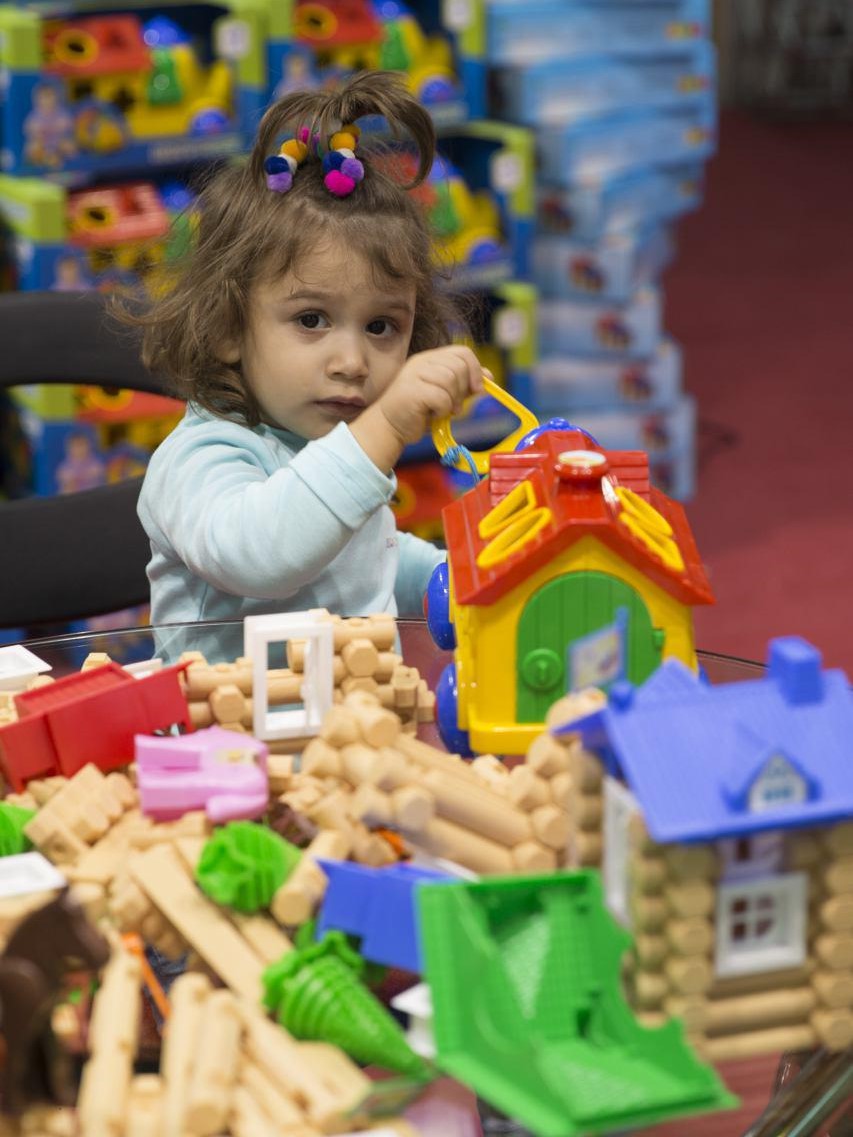
All types of play, from fantasy to rough-and-tumble, have a crucial role in children’s development.
Play is the lens through which children experience their world, and the world of others. If deprived of play, children will suffer both in the present and in the long-term. With adequate play, children stand the best chance of becoming healthy, happy, productive members of society.
LevS Vygotsky describes play as leading development during childhood, and he discusses how in imaginary situations, children derive the utmost pleasure from subordinating themselves to the rules.
Given Vygotsky's emphasis on imagination, play offers an opportunity for a child to become a creator of rules and of imaginative play scenario.
During play, children also explore imaginative, creative scenarios they find interesting and meaningful. Children employ creative activities and imaginative playfulness to make everyday activities enjoyable and meaningful and, from a broader perspective, to experience situational involvement.
Refrence: Moller,Sign juhl. , American journal of play. imagination, playfulness, and creativity in children's play with different toys: number3))
Some studies have presented about value of play, by Jeffrey Goldstein for the toy industries of Europe:
A review of research concludes that play enhances early development by at least 33%
A quantitative review of more than 40 studies found that play is significantly related to creative problem-solving, co-operative behavior, logical thinking, IQ scores, and peer group popularity. Fisher estimates that play enhances the progress of early development from 33% to 67%, by increasing adjustment, improving language and reducing social and emotional problems.
Toy play at age 18 months is related to the child’s intelligence at age 3 years
Playful children are happier, better adjusted, more co-operative, and more popular with their peers than those who play less. Children play longer when a wide variety of toys are available. In one study the availability of toys in infancy was related to the child’s IQ at 3 years of age.
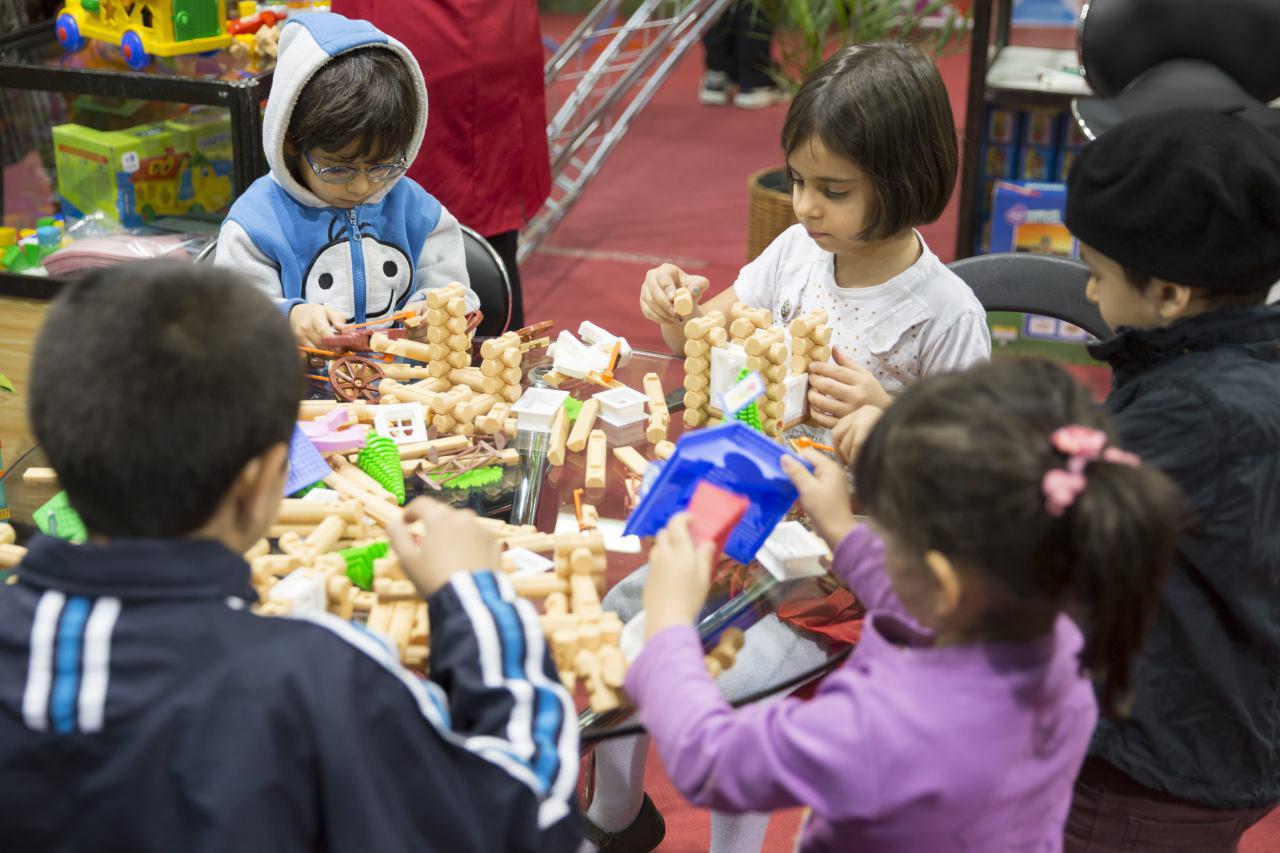
Children with access to a variety of toys are found to reach higher levels of intellectual achievement, regardless of the children’s sex, race, or social class. The relation of infants’ home environments to mental test performance from 6 to 36 months: A longitudinal analysis. Child Development, 46, 71-76. R. H. Bradley. (1985). Play materials and intellectual development. In C. Brown & A. Gottfried, eds., Play interactions. Skillman NJ: Johnson & Johnson.
Reference :(Goldstein, Jeffrey. December 2003. Contributions of play and toys to child development. Toy Industries of Europe).
Key words: children playing, play value, imagination, toy